Lecithin Granules
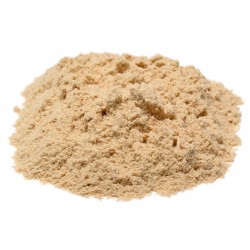
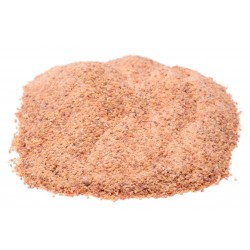
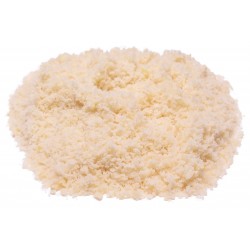
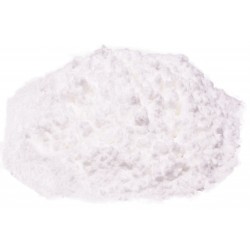
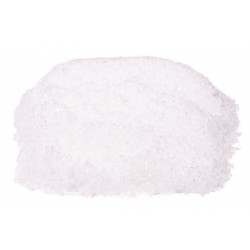
Bulkfoods.com lecithin granules are 97% phospholipids. Often referred to as oil-free
lecithin,
lecithin granules have essentially all the natural soybean oil removed
from them. This is the only form of Lecithin that does NOT
contain Lecithin Liquid. Lecithin can be mixed with any foods consumed as a
nutritional supplement. It has a mild nutty flavor.
One
tablespoon of lecithin granules provides about 50% of the new (DRI) Dietary
Reference Intake Level for choline. These pure Lecithin granules are the type
we have available. lecithin
prices

Other Types of Lecithin

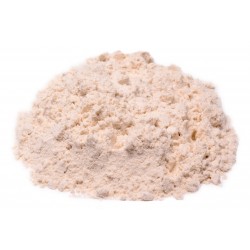
Granules made of Soy Flour and Liquid Lecithin. (sometimes referred to as
Soy Lecithin Granules)
A little liquid lecithin (soy oil containing lecithin) is mixed
with soy flour. Basically liquid lecithin (containing only 10% phosphatidylcholine)
is added back to the soybean it was
extracted from. This product is then extruded and looks like a small rabbit
pellet about the size in diameter of a cake decorating sprinkle. It
contains only 3% phosphatidylcholine.
Note to the savvy consumer:
Real lecithin granules contain NO
protein at all. If Protein is listed as an ingredient on the label, you are
looking at an imitation product made from soy flour and liquid lecithin. The ingredient
statement for REAL lecithin granules is naturally simple: Lecithin. Don't be
mislead by this product.
Liquid Lecithin (soy oil containing lecithin)
This is the first form of lecithin,
it has a 37% triglyceride level. The oil part! It contains only 10% of the
essential phosphatidylcholine, the lecithin part. Many people with high cholesterol also have high
triglyceride levels and do best to supplement their diets with lecithin granules
without the high triglyceride levels of liquid lecithin.
Lecithin Capsules (soy oil containing lecithin)
These contain lecithin liquid.
Most contain only 10% of the essential nutrient phosphatidylcholine. One
tablespoon of lecithin granules provides the same amount of choline as 10 large soft
gel lecithin capsules (30 small size), and provides about 50% of the new DRI. It
is important to remember that these have a 37% triglyceride level.
Lecithin Tablets
If made of pure lecithin you would
need to consume 20 to 60 tablets to get 100% of the recommended Dietary
Reference Intake of choline. Central Soya (now Solae) has determined through lab tests that pure
lecithin tablets will not dissolve and be assimilated by the body. To put lecithin in a tablet form the tablet must contain a high percentage of
dispersants. This increases the amount of tablets needed to consume for your full
recommended Dietary Reference Intake of Choline.

Lecithin
is a natural occurring food.
Lecithin is a naturally-occurring group of phospholipids that's found in nearly
every living cell. Though the word lecithin is derived from the Greek "lekithos",
which means "yolk of an egg," the primary commercial source of
lecithin comes from the soybean. It is commonly referred to as soya or soy bean
lecithin.

Lecithin Information

Nutrition Overview
One of the many healthful components of soybeans,
lecithin and its primary component, choline, are believed to play essential
roles in
In fact, the science on lecithin and choline
nutrition is so compelling for long term health that it is now established
that choline is an essential nutrient.
Nutritionists define an essential nutrient as a
substance required but not made in adequate amounts by the body. Therefore, it
must be obtained from the diet. Proof that a nutrient is essential usually involves
showing a deficiency disease when the nutrient is withheld from the diet. For
example, humans can make some niacin but not enough to prevent pellagra.
Therefore, niacin is an essential nutrient for humans and must be obtained from
our diet. Science
Daily Research News.

Where Does Lecithin Come From?


Lecithin
can be found in a wide variety of foods. Nature puts it there as a natural
emulsifier. Unfortunately, many of the richest sources of lecithin are also high
in cholesterol and fat. For example, egg yolks and meats are good sources of
lecithin. Grains, fruits and vegetables are much poorer sources. Because many
people have decreased consumption of fatty foods, their intake of lecithin may
be inadequate. Technical
Specifications(pdf)
Lecithin is also used in foods and in industry
because it has very special properties. Did you know that over 99% of the
lecithin used commercially comes from soybeans?
The lecithin is removed
from soybean oil by injecting the oil with water, and then separating the
lecithin-water mixture from the oil in a centrifuge (like the spin cycle in your
washing machine), and drying the lecithin. 
Choline Recommended
Dietary Allowances
For the first time, the Food and Nutrition Board,
the group within the National Academy of Sciences that sets Recommended Dietary
Allowances (RDAs) for vitamins and minerals, has officially recognized the
substance choline as an important nutrient.
On April 7, 1998 the Board announced new Dietary
Reference Intake levels (DRI) of choline and a number of B vitamins. The Board
recommends 425 mg of choline daily for adult women and 550 mg for adult men.
Because of a high requirement for choline in growing fetuses and infants, they
recommend intakes of 450 and 550 mg for pregnant and lactating women,
respectively.
The Board's report comments on the role of choline
in liver and heart health, pregnancy and child development, exercise and other
health issues.

Why
All The Interest In Lecithin?
Lecithin is the main source of choline
in the diet occurring widely in a variety of foods. Unfortunately, the richest
sources of lecithin also tend to be high in fat and cholesterol, such as eggs
and organ meats. Lecithin is
the best and most bio-available way to get choline!
In fact, taking granular lecithin provides a "timed release" form of choline,
raising blood choline levels higher and for longer periods of time than
equivalent amounts of choline chloride or other choline salts. lecithin
prices